

Solar energy is becoming increasingly popular in India as people look for affordable, clean, and sustainable sources of electricity. With rising electricity bills and growing environmental concerns, solar power offers an excellent solution for homes, businesses, and farmers. To encourage the adoption of renewable energy, the Government of India has introduced several schemes that provide financial assistance and support for eligible solar installations.
Benefits of Solar Energy
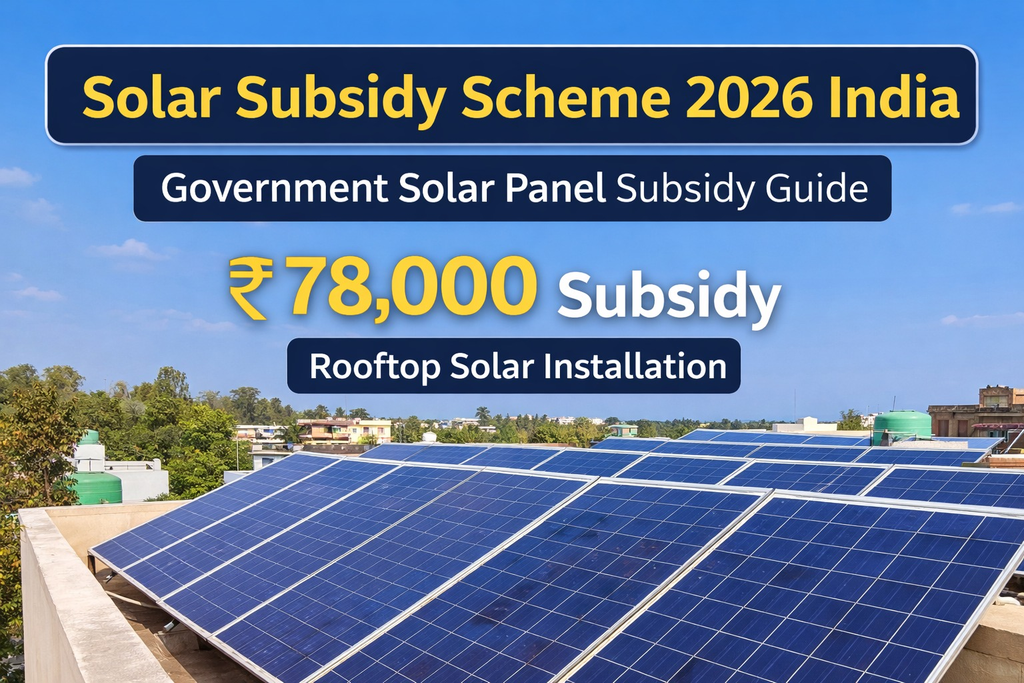
Solar energy uses sunlight to generate electricity through solar panels. Installing a rooftop solar system can help households reduce electricity bills and dependence on conventional power sources. Solar power is also environmentally friendly because it generates electricity without directly emitting greenhouse gases during operation.
For businesses and agricultural users, solar energy can help reduce long-term energy expenses. With proper installation and maintenance, solar panels can provide electricity for many years.
Major Government Solar Schemes in India
1. PM Surya Ghar: Muft Bijli Yojana
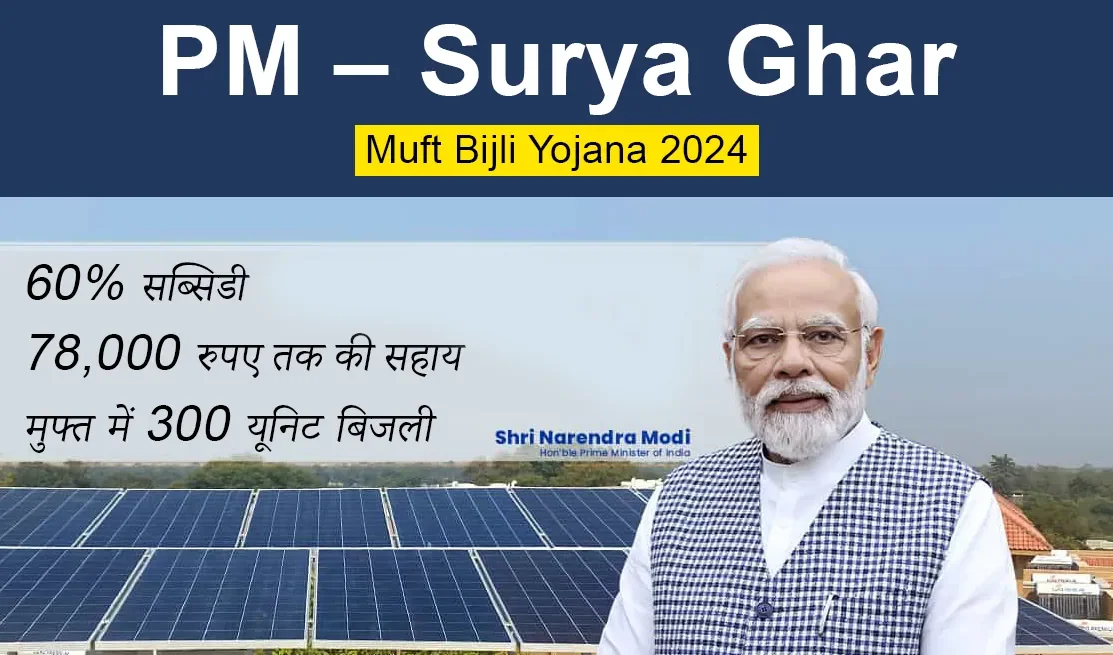
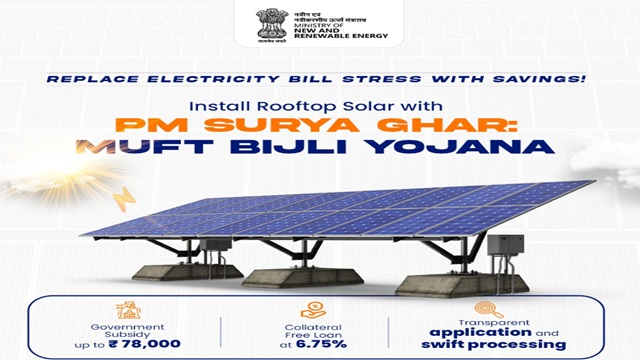
The PM Surya Ghar: Muft Bijli Yojana encourages residential households to install rooftop solar systems. Eligible households can receive central financial assistance of up to ₹78,000 for systems of 3 kW or higher under the general-category subsidy structure.
The scheme aims to help households generate their own electricity and potentially reduce monthly electricity bills. The actual savings depend on electricity consumption, sunlight, system capacity, and applicable billing rules.
Interested consumers can register through the official website: https://pmsuryaghar.gov.in/
2. PM-KUSUM Scheme for Farmers
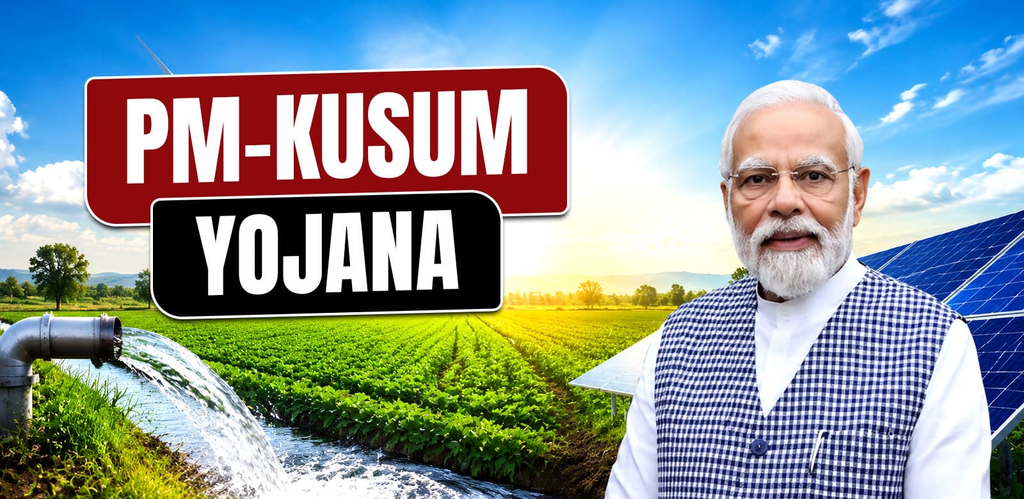
The PM-KUSUM scheme promotes solar energy in agriculture. It supports eligible solar-powered irrigation pumps, the solarisation of existing agricultural pumps, and decentralised solar power projects.
The scheme can help farmers reduce their dependence on diesel-powered pumps and access cleaner energy for irrigation. The availability of subsidies and application procedures depends on the scheme component and the state government’s implementation.
Farmers can find official information at: https://pmkusum.mnre.gov.in/
Solar Energy Subsidies in Maharashtra
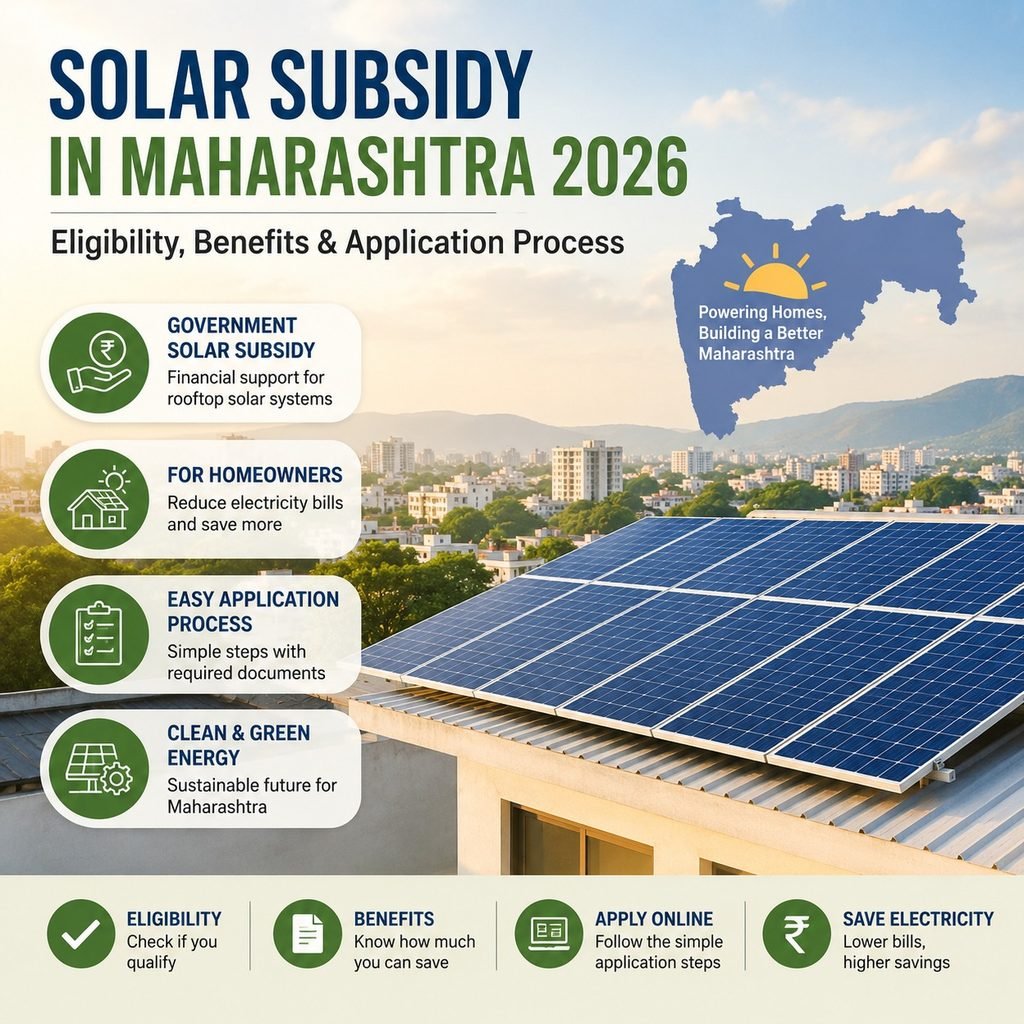
Residents of Maharashtra can explore the PM Surya Ghar scheme for eligible residential rooftop solar installations. Farmers can also check state-level notifications relating to agricultural solar pumps and applicable PM-KUSUM components.
Before installing a solar system, consumers should compare quotations, check vendor credentials, understand equipment warranties, and verify current subsidy eligibility. Using authorised channels can help prevent fraud and avoid problems during subsidy processing.
How to Apply for a Solar Subsidy
The general application process for residential rooftop solar involves registering on the official PM Surya Ghar portal, submitting electricity connection details, obtaining the required approvals, and choosing an eligible registered vendor. After installation, the applicant must complete the required inspection, commissioning, and metering procedures. Eligible subsidy payments are processed according to the scheme’s rules and documentation requirements.
Applicants should always follow the latest instructions on the official portal before purchasing equipment or making payments.
Conclusion
Solar energy offers an effective way to reduce electricity expenses while supporting a cleaner environment. Government initiatives such as PM Surya Ghar and PM-KUSUM make solar power more accessible to eligible households and farmers through financial assistance and other support.
If you are planning to install solar panels, explore the available government schemes, check your eligibility, and choose a reliable installer. Adopting solar energy today can be a valuable investment in a more sustainable future.