

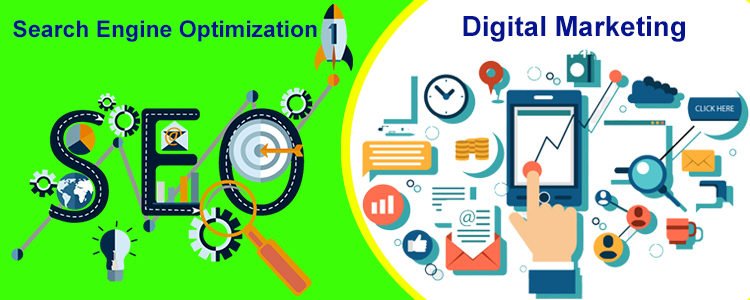
In today’s digital world, having an online presence is essential for every business. Whether you run a small shop, a startup, an online store, or a large company, digital marketing can help you reach more customers and grow your business. Search Engine Optimization (SEO) is one of the most important parts of digital marketing because it helps people discover your website through search engines like Google.
In this article, we will explore what digital marketing and SEO are, their major types, their benefits, and how businesses can use them to achieve long-term growth.
What Is Digital Marketing?
Digital marketing is the process of promoting products, services, or brands using the internet and digital platforms. It allows businesses to connect with their target audience through websites, social media, search engines, email, and online advertisements.
Traditional marketing methods, such as newspapers, banners, and television advertisements, can still be useful. However, digital marketing offers businesses additional ways to target specific audiences, measure campaign performance, and adjust their marketing strategies.
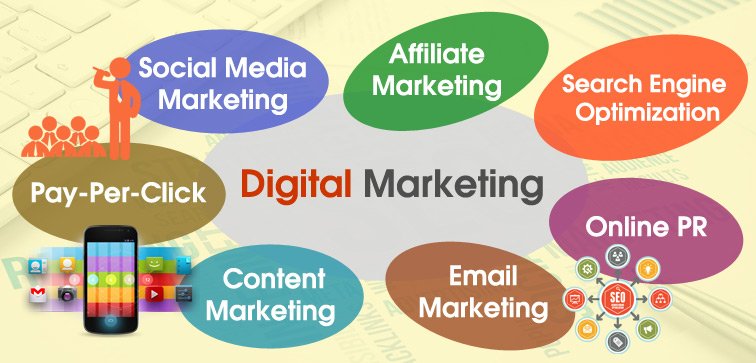
Some popular types of digital marketing include:
- Social Media Marketing: Promoting a business through platforms such as Facebook, Instagram, LinkedIn, and YouTube.
- Search Engine Optimization (SEO): Improving a website’s visibility in organic search results.
- Search Engine Marketing (SEM): Using paid search advertisements to reach potential customers.
- Content Marketing: Creating useful articles, blogs, videos, and infographics to attract an audience.
- Email Marketing: Sending newsletters, updates, and promotional messages to interested subscribers.
- Affiliate Marketing: Earning commissions by promoting another company’s products or services.
Each method serves a different purpose, and combining suitable strategies can help businesses build a stronger online presence.
What Is SEO (Search Engine Optimization)?
SEO stands for Search Engine Optimization. It is the process of improving a website so that search engines can understand its content and show relevant pages to people searching for related information.
For example, if someone searches for “best digital marketing agency in Solapur,” a well-optimized website offering relevant services may have a better opportunity to appear in search results.
SEO does not guarantee a first-page ranking. Search engines consider many factors, including content relevance, website usability, technical accessibility, and the quality of information.
Types of SEO
1. On-Page SEO
On-page SEO focuses on optimizing individual website pages. This includes writing relevant titles, creating useful content, using descriptive headings, optimizing images, and naturally incorporating keywords into the text.
2. Off-Page SEO
Off-page SEO involves activities outside your website that can help build its reputation and authority. Examples include earning quality backlinks, receiving genuine brand mentions, and building relationships with relevant websites.
3. Technical SEO
Technical SEO helps search engines access, crawl, and index your website. Important areas include website speed, mobile usability, secure HTTPS connections, XML sitemaps, and fixing broken links.
4. Local SEO
Local SEO helps businesses reach customers searching for products or services in a particular geographical area. For example, a restaurant, solar company, or digital marketing agency can optimize its Google Business Profile and website to improve its visibility in relevant local searches.
Why Is Digital Marketing Important for Businesses?
Digital marketing offers several benefits for businesses of different sizes.
1. Reach a Larger Audience
The internet allows businesses to connect with potential customers beyond their immediate location. A local business can attract customers from nearby cities, while an online store can serve customers across different regions.
2. Cost-Effective Promotion
Businesses can choose marketing channels according to their budgets. Organic content and SEO can support long-term visibility, while paid advertising can help generate traffic more quickly when campaigns are properly planned.
3. Better Audience Targeting
Digital advertising platforms offer targeting options based on factors such as location, interests, and online behaviour. This can help businesses reach audiences who are more likely to be interested in their products or services.
4. Measurable Results
Tools such as Google Analytics and Google Search Console help website owners understand traffic, search performance, user behaviour, and opportunities for improvement. Advertising platforms also provide data about clicks, impressions, and conversions.
5. Build Brand Awareness and Trust
Regularly publishing helpful content, maintaining accurate business information, and engaging with customers online can help establish a professional brand image and build customer confidence.
How SEO and Digital Marketing Work Together
SEO and digital marketing are closely connected. SEO helps attract organic traffic from search engines, while other digital marketing channels help promote content, engage audiences, and generate leads.
For example, a business can publish an SEO-friendly blog on its website, share that article on Facebook and LinkedIn, and use email marketing to distribute it to subscribers. If the content answers users’ questions effectively, it can help attract visitors and strengthen the business’s online presence.
A successful strategy should focus on useful information, a good website experience, relevant keywords, and clear calls to action rather than simply trying to attract more clicks.
Basic SEO Tips for Beginners
If you are starting a website or blog, the following practices can help improve your SEO:
- Research keywords: Understand what your target audience searches for before writing content.
- Publish helpful content: Answer users’ questions clearly and provide accurate, original information.
- Optimize page titles: Write descriptive titles that explain what each page offers.
- Use proper headings: Organize content using clear H1, H2, and H3 headings where appropriate.
- Optimize images: Use relevant file names, descriptive alt text, and compressed image files.
- Make your website mobile-friendly: Ensure that pages are easy to read and navigate on smartphones.
- Improve loading speed: Reduce unnecessary scripts and large media files.
- Use internal links: Connect related articles and pages to help users discover more content.
- Track your performance: Use Google Search Console to monitor impressions, clicks, and search queries.
Remember that SEO takes time. Consistent improvement and high-quality content are generally more valuable than shortcuts or attempts to manipulate search rankings.
Conclusion
Digital marketing and SEO are powerful tools for building a successful online business. Digital marketing helps businesses promote their products and services across multiple online channels, while SEO helps people discover relevant website content through organic search results.
By understanding your target audience, creating useful content, optimizing your website, and monitoring performance, you can gradually improve your online visibility and attract potential customers.
Whether you are a beginner, blogger, entrepreneur, or business owner, learning digital marketing and SEO can help you make better marketing decisions and develop a stronger digital presence.
Start today: Choose relevant keywords, publish valuable content, and make your website useful to your audience. Consistent effort can help build a solid foundation for long-term online growth.
Nice